

Automatic transmissions have become a standard feature in many modern vehicles, offering smoother driving, improved fuel efficiency, and reduced driver fatigue. As automotive technology advances, transmission systems such as the DSG getriebe have become increasingly common due to their fast gear shifts and high performance. However, like any complex mechanical system, these transmissions require proper maintenance and occasional repairs.
For vehicle owners in Austria, particularly in large urban areas, finding reliable services for automatikgetriebe reparatur wien is essential. Transmission problems can appear gradually or suddenly, and understanding how these systems work helps drivers recognize issues early and avoid costly damage.

Understanding Automatic Transmissions and DSG Systems
Automatic transmissions have evolved significantly over the past few decades. Unlike manual gearboxes that rely on driver input, automatic systems shift gears automatically using hydraulic, mechanical, and electronic components.
What Makes DSG Gearboxes Different
A DSG getriebe (Direct-Shift Gearbox) is a type of automated manual transmission that uses two separate clutches for odd and even gears. This dual-clutch design allows the next gear to be pre-selected while the current gear is still engaged. As a result, gear shifts happen almost instantly without interrupting power delivery.
This technology offers several benefits:
- Faster and smoother gear changes
- Improved fuel efficiency compared to traditional automatics
- Better acceleration and driving performance
Because of this efficiency, DSG systems are widely used in many European vehicles.
Why DSG Systems Require Specialized Care
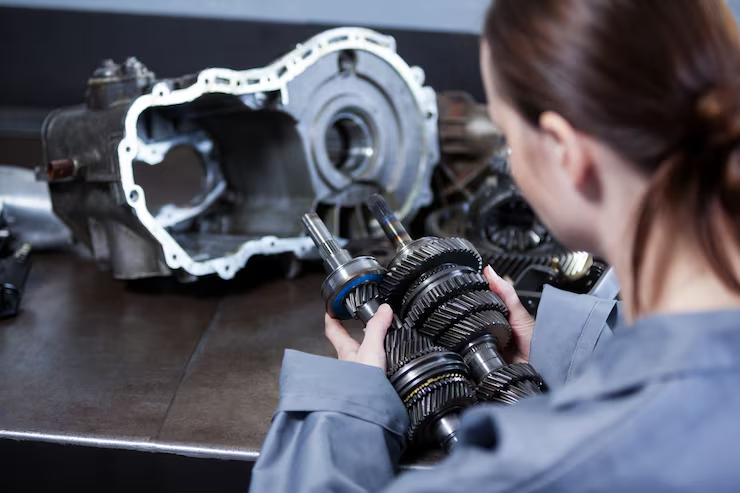
Although DSG gearboxes are highly efficient, they are also more complex than conventional transmissions. They contain electronic control units, sensors, and precision clutch systems that must work together perfectly.
Even minor issues—such as clutch wear or software irregularities—can affect shifting performance. This is why specialized diagnostic equipment and experienced technicians are important when dealing with DSG-related repairs.
Common Signs of Automatic Transmission Problems
Transmission issues rarely appear without warning. Many drivers notice subtle changes in vehicle behavior before a serious failure occurs.
Delayed or Rough Gear Shifts
One of the most common indicators of transmission problems is delayed gear engagement. Drivers may feel a pause when shifting from park to drive, or notice rough transitions between gears while driving.
In DSG systems, this can be related to clutch wear, mechatronic unit issues, or software calibration problems.
Unusual Noises or Vibrations
Grinding sounds, humming, or vibrations during acceleration may signal internal wear within the transmission. These noises can originate from gears, bearings, or the clutch assembly.
Ignoring these symptoms may lead to more serious mechanical damage over time.
Warning Lights and Electronic Errors
Modern vehicles rely heavily on onboard diagnostics. If a transmission warning light appears on the dashboard, it often indicates that the control unit has detected abnormal behavior.
Advanced diagnostics are required to identify whether the problem relates to sensors, hydraulic pressure, or mechanical components.
The Importance of Professional Transmission Diagnostics
Transmission systems are among the most technically demanding components of modern vehicles. Attempting to diagnose or repair them without proper tools can lead to misdiagnosis or further damage.
Advanced Diagnostic Technology
Professional workshops use specialized scanning tools and software to read fault codes directly from the vehicle’s transmission control unit. These tools help technicians understand how the gearbox is functioning and identify underlying issues quickly.
Accurate diagnostics are particularly important for DSG transmissions, where electronic and mechanical systems operate together.
Preventive Maintenance and Fluid Management
Transmission fluid plays a critical role in lubrication, cooling, and hydraulic pressure regulation. Over time, fluid can degrade or become contaminated with metal particles.
Regular fluid replacement and inspection help prevent premature wear and maintain smooth gear operation. Preventive maintenance is often far more affordable than major transmission repairs.
For drivers seeking more information about gearbox diagnostics and repair services, resources like Veltech’s transmission service overview provide helpful insights into how modern automatic transmissions are serviced and maintained.
Why Transmission Expertise Matters in Urban Driving
Driving conditions in busy cities place additional stress on automatic transmissions. Stop-and-go traffic, frequent braking, and short-distance trips increase the workload on the gearbox.
Urban Traffic and Transmission Wear
In cities like Vienna, vehicles often operate in dense traffic conditions. Continuous gear shifting and low-speed operation can accelerate wear on clutch components and hydraulic systems.
This is particularly noticeable in DSG transmissions, where dual clutches engage and disengage frequently during city driving.
Early Intervention Prevents Major Damage
Many transmission failures begin with small issues such as sensor faults, fluid contamination, or clutch calibration errors. Addressing these problems early helps avoid expensive repairs later.
Regular inspections, diagnostic scans, and timely maintenance significantly extend the life of automatic gearboxes.
Conclusion
Automatic transmissions have transformed the modern driving experience, delivering convenience, efficiency, and performance. Systems such as the dsg getriebe represent a major step forward in automotive engineering, but their complexity also means they require careful maintenance and expert repair when problems arise.
Understanding the early signs of transmission issues—such as delayed shifting, unusual noises, or warning lights—can help drivers act quickly before minor faults become major mechanical failures. For vehicle owners seeking automatikgetriebe reparatur wien, choosing experienced professionals with specialized diagnostic tools ensures that both traditional automatic and DSG systems receive the attention they require.